

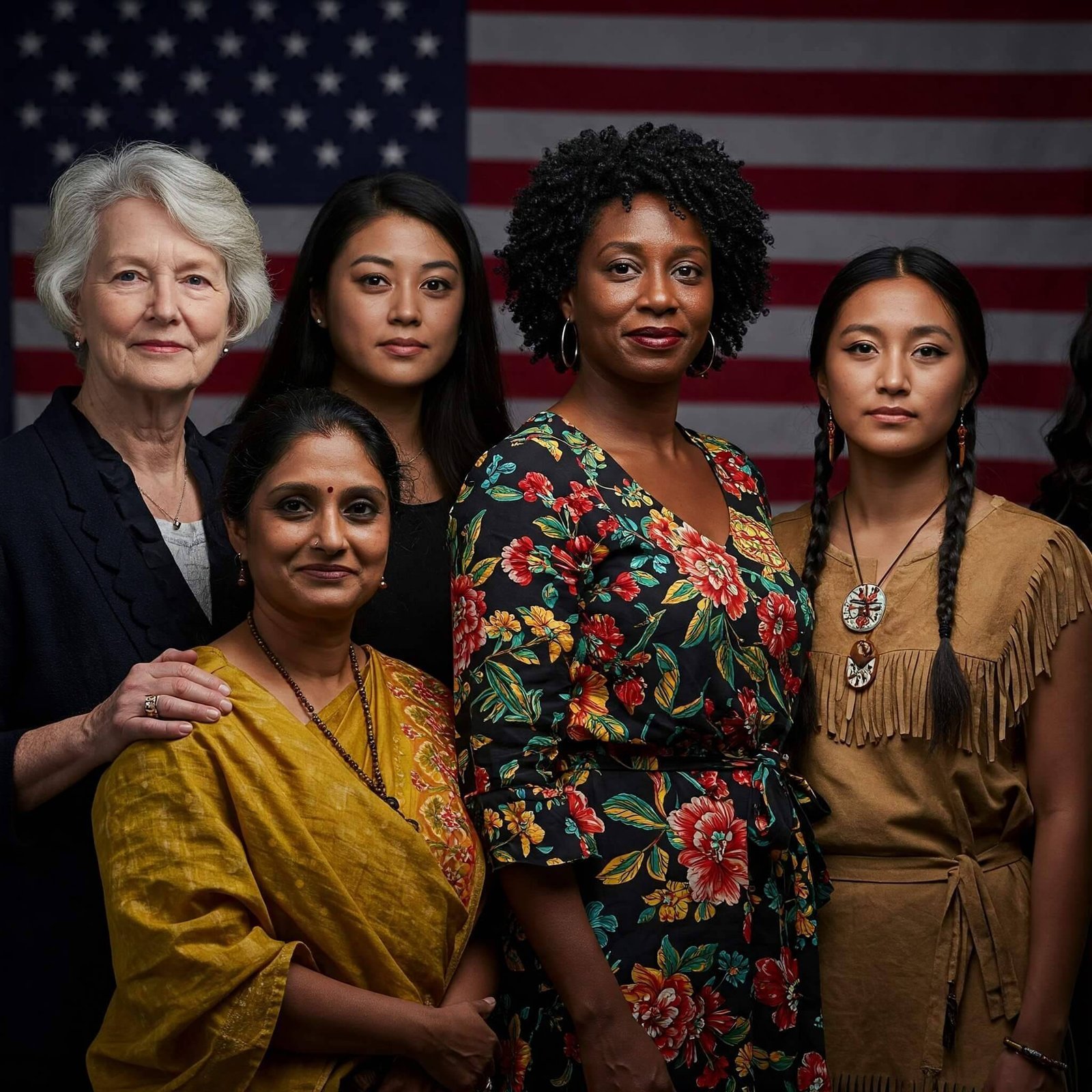
Women’s rights laws are, like, a total game-changer, and I’m typing this in my tiny Chicago apartment, where the radiator’s clanking like it’s auditioning for a horror movie. My coffee’s gone cold, and I’ve got a pile of laundry staring me down—real glamorous, right? Anyway, I’ve been obsessed with women’s legal protections lately, mostly ‘cause I had this super awkward moment last month where I tried to sound smart about the Equal Pay Act at a bar and totally flubbed it. Like, I said it was from the ‘80s. Yikes. So, here’s my not-so-polished take on the must-know laws protecting women in the U.S., straight from my cluttered brain and even messier desk.
Why Women’s Rights Laws Keep Me Up at Night
I’ll be real, I didn’t always get why gender equality laws mattered. Growing up in Ohio, I thought “women’s rights” was just something my mom’s friends argued about over wine. But then I started working at this tech startup, and—boom—reality check. I overheard my boss say a female coworker “wasn’t leadership material” because she took maternity leave. I was so mad I dropped my phone in my ramen. That’s when I started digging into women’s rights laws, ‘cause, like, seriously? That’s still happening in 2025?
The Equal Pay Act of 1963 (source) was my first stop. It says women and men should get paid the same for the same work. Sounds obvious, but I checked my paycheck against a guy on my team, and I was short like 8%. I stormed into HR, all confident, but then I blanked on the law’s details and mumbled something about “fairness.” Cringe. Lesson learned: know your stuff before you barge in.
What’s the Deal with the Equal Pay Act?
- The Gist: No wage discrimination based on sex for “substantially equal” jobs.
- My Fumble: I thought it only applied to identical roles, but it’s about skill and effort. I learned that after my HR disaster.
- Hot Tip: The EEOC website has a guide on filing a claim. It’s less intimidating than I thought, promise.
Title IX: The One I Wish I Knew in College
Okay, Title IX (source) is huge for women’s rights laws. I went to a college where the women’s basketball team—my team, if you can call my bench-warming “playing”—got the crappiest gym and zero budget for travel. I thought it was normal until I read about Title IX, which says schools can’t discriminate based on sex in education, including sports, classes, or even handling sexual harassment.
Once, I tried to confront our coach about the gym situation. I was so nervous I called it “Title Nine” like it was a rom-com sequel. He just blinked at me, and I wanted to melt into the floor. But learning about women’s legal protections like Title IX made me realize I wasn’t just being dramatic—I had a right to be pissed. It’s empowering, even if I still wince at that memory.
Why Title IX Is a Big Deal for Women’s Rights Laws
- More Than Sports: It covers scholarships, STEM access, and pregnancy discrimination in schools.
- Weird Thing I Learned: Schools have to handle sexual harassment complaints properly. Who knew?
- My Advice: If you’re a student and something feels unfair, check out the Department of Education’s site. It’s got clear info on your rights.
The Violence Against Women Act: Heavy but Real
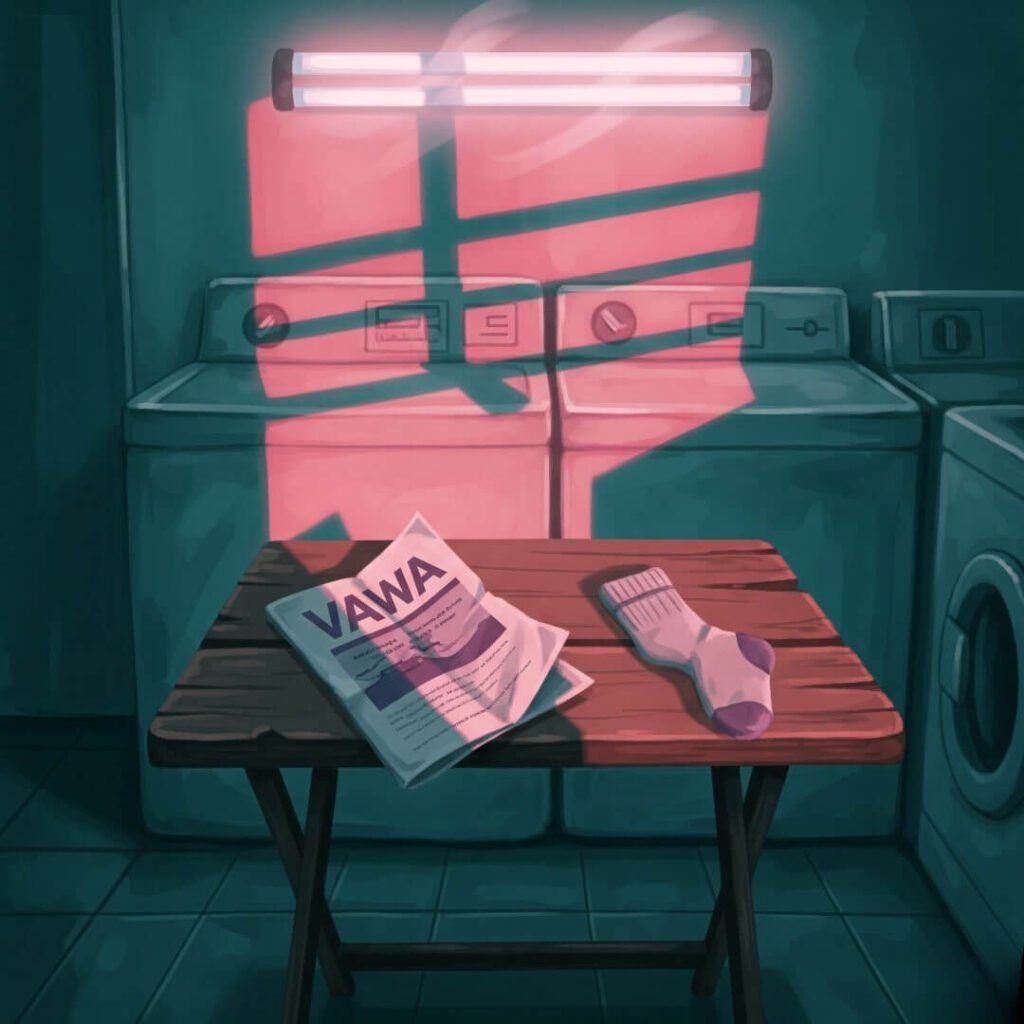
The Violence Against Women Act (VAWA) (source) hits hard. I didn’t know much about it until I was chatting with a neighbor in our building’s laundry room, the dryer humming like a jet engine. She told me about her ex stalking her and how VAWA helped her get a restraining order and a safe place to stay. I felt like a total dummy for not knowing this law existed. It covers domestic violence, stalking, sexual assault, and funds stuff like shelters and hotlines.
I tried helping her look up resources once, but I accidentally sent her a link to a random lawyer’s blog instead of the real VAWA info. Facepalm. Women’s rights laws like VAWA are a lifeline, but they’re not perfect—like, why does it keep needing reauthorization? Still, it’s made me feel less powerless, even if I’m still learning the ropes.
VAWA and Women’s Legal Protections: The Basics
- What It Does: Tougher penalties for gender-based violence, plus funding for victim support.
- My Mix-Up: I thought it was only for married folks. Nope—covers dating relationships, too.
- Need Help? Save the National Domestic Violence Hotline in your phone. I did after my screw-up.
My Chaotic Journey with Women’s Rights Laws
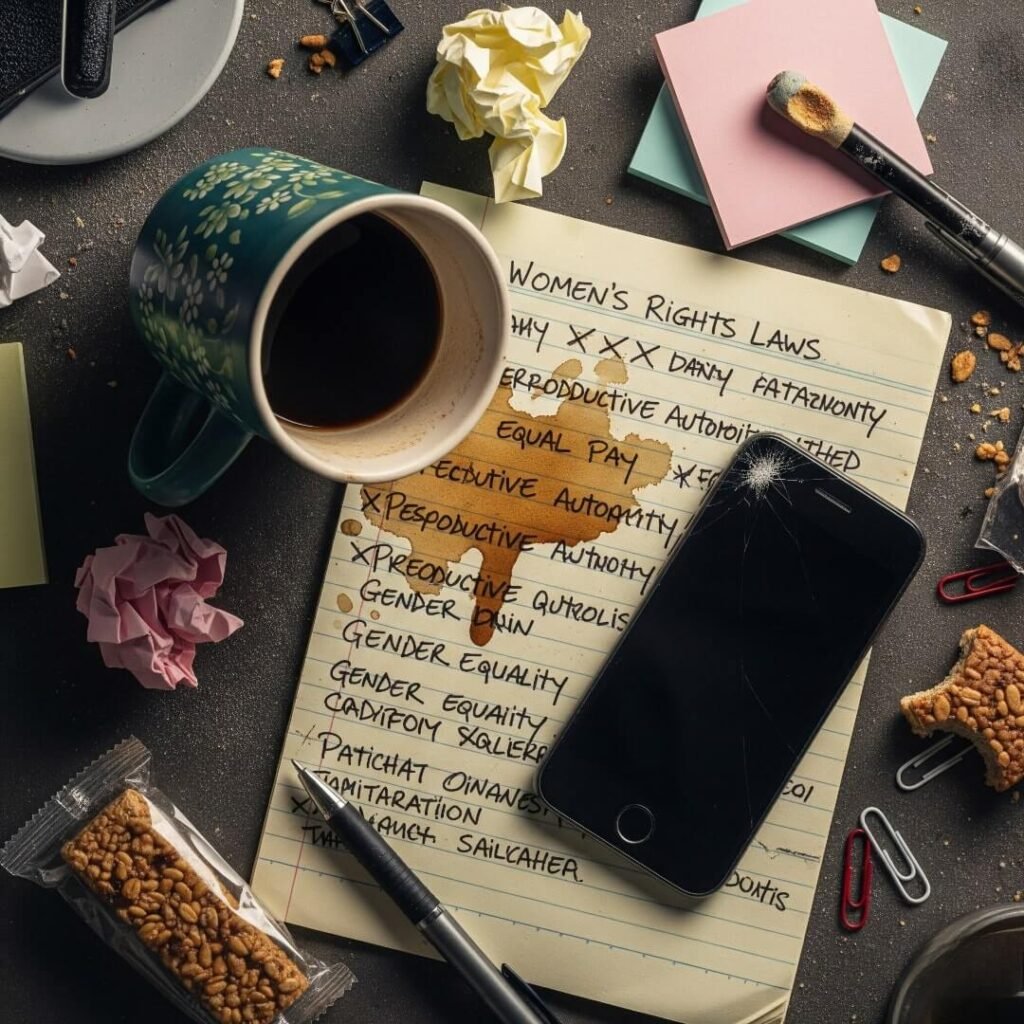
Look, I’m no lawyer. My desk’s a disaster zone—sticky notes, half-eaten granola bars, and a printout of women’s legal protections I spilled kombucha on. I still mess up legal terms (Title Nine, really?). But diving into women’s rights laws has made me feel like I’ve got some armor, you know? It’s not about being perfect—it’s about knowing enough to stand up when it counts. I’m still figuring it out, and I bet some of you are, too.
Check out the EEOC or Department of Justice for more on gender equality laws. They’ve got stuff that doesn’t read like a textbook. Got a story about dealing with these laws? Spill it in the comments—I’m dying to hear your take!
Outbound links:
For Equal Pay and Workplace Rights: The U.S. Equal Employment Opportunity Commission (EEOC) is the government agency that enforces federal laws prohibiting employment discrimination. Their website is a great starting point for more formal information.
For Family and Medical Leave Act (FMLA): The U.S. Department of Labor has a ton of official, if a bit dry, resources on the FMLA. It’s where you can get the nitty-gritty details.
For Domestic Violence: The National Domestic Violence Hotline is a life-saving resource that operates 24/7. Seriously, if you need help, don’t hesitate. They can provide confidential support and connect you with local resources.